STOP PT-BR PROJECTS FROM GOING SIDEWAYS!
Most PT-BR failures aren’t linguistic.
They usually start with tone definition, reviewer alignment, and production context. The good news is that they are preventable.
In Brazil, communication is expected to feel clear, human, and natural. Even outside marketing content, tone mismatches are quickly noticed and often trigger revision cycles and reviewer pushback.
13+ years | High-risk content | MLV production environments | Real reviewer workflows

WHAT ACTUALLY BREAKS PT-BR PROJECTS
1) Undefined Tone → Endless Rework
If tone is decided after translation starts, revisions multiply quickly.
2) Linguistically Correct, Commercially Wrong
Translation may be correct, but the market reaction is wrong.
3) Late Reviewer Reality Check
Subject matter experts or internal reviewers enter too late in the process.
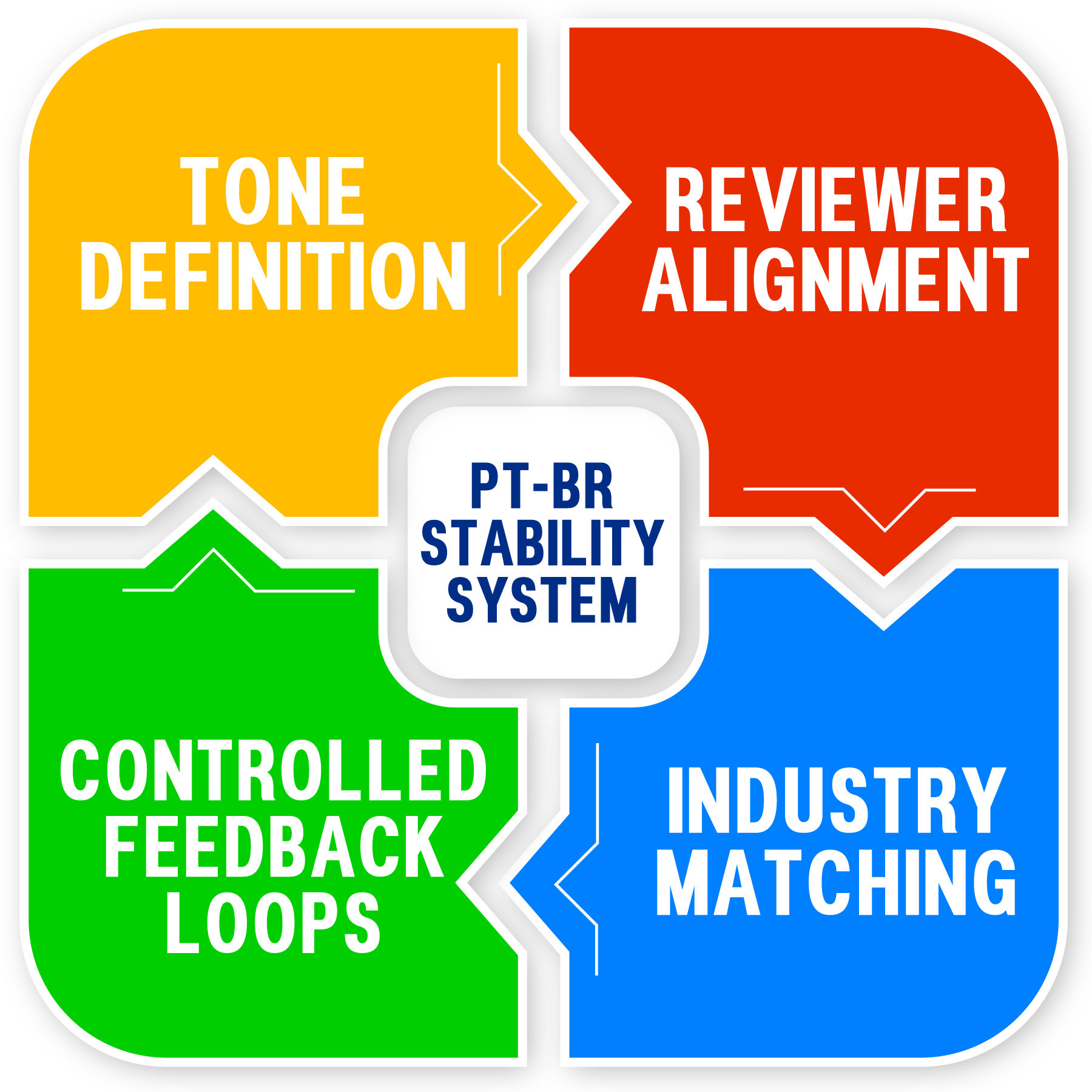
HOW PT-BR PROJECTS STAY STABLE
– Tone is defined before kickoff.
– Reviewer expectations are aligned early.
– Linguists are matched to real industry context.
– Feedback loops are designed to avoid timeline explosions.
PT-BR RISK SELF-CHECK
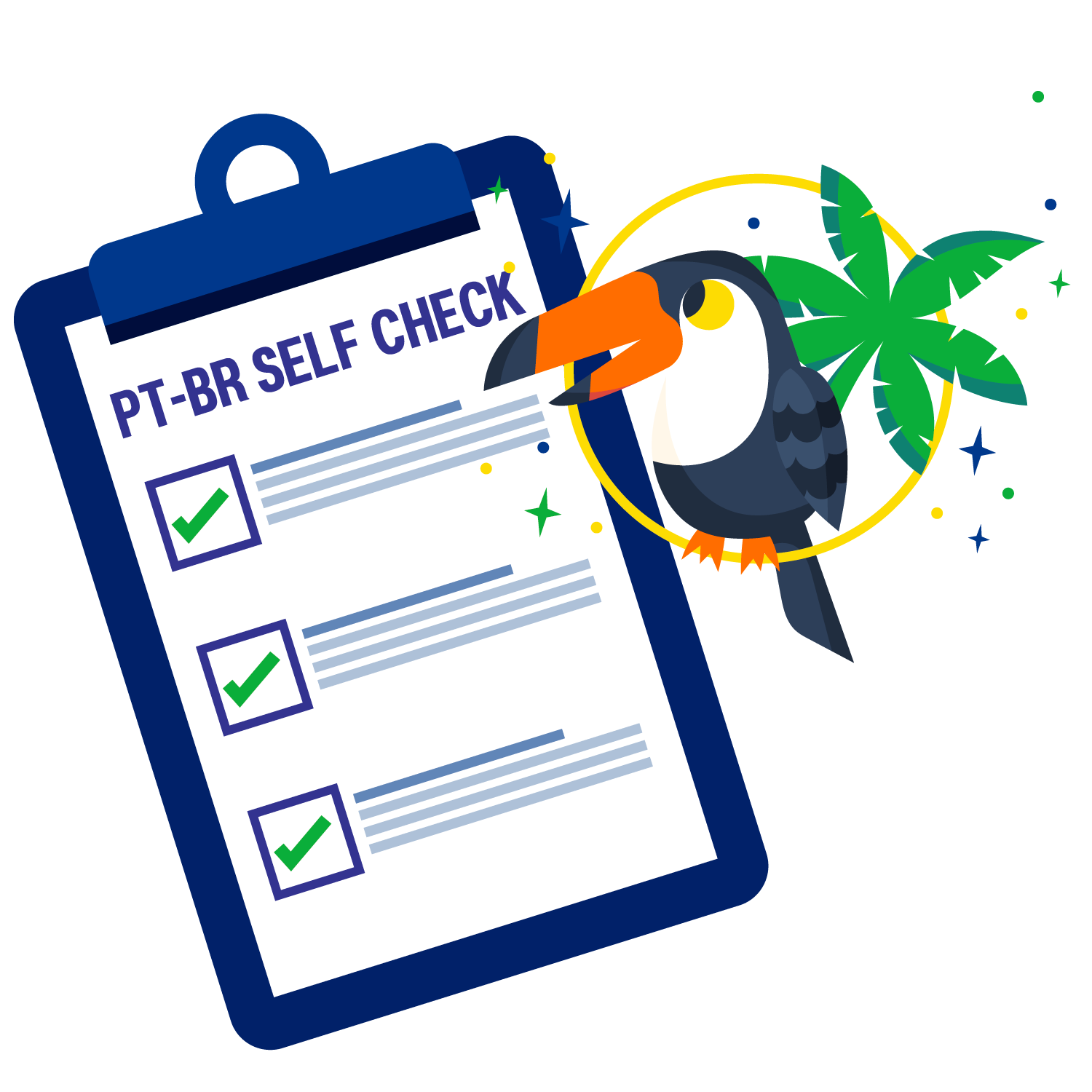
If you answer YES to two or more, you likely have hidden PT-BR risk:
[ ] Tone is decided after translation starts
[ ] Reviewers change tone without a shared reference
[ ] Linguists rotate between unrelated industries
[ ] Review feedback arrives only after full delivery
NEXT STEP
If PT-BR tone or reviewer alignment has caused rework in your projects before, there is usually a pattern behind it. That pattern can be identified early.

STOP PT-BR PROJECTS FROM GOING SIDEWAYS!
Most PT-BR failures aren’t linguistic.
They usually start with tone definition, reviewer alignment, and production context. The good news is that they are preventable.
In Brazil, communication is expected to feel clear, human, and natural. Even outside marketing content, tone mismatches are quickly noticed and often trigger revision cycles and reviewer pushback.
13+ years | High-risk content | MLV production environments | Real reviewer workflows
WHAT ACTUALLY BREAKS PT-BR PROJECTS
1) Undefined Tone → Endless Rework
If tone is decided after translation starts, revisions multiply quickly.
2) Linguistically Correct, Commercially Wrong
Translation may be correct, but the market reaction is wrong.
3) Late Reviewer Reality Check
Subject matter experts or internal reviewers enter too late in the process.
HOW PT-BR PROJECTS STAY STABLE
– Tone is defined before kickoff.
– Reviewer expectations are aligned early.
– Linguists are matched to real industry context.
– Feedback loops are designed to avoid timeline explosions.
PT-BR RISK SELF-CHECK
If you answer YES to two or more, you likely have hidden PT-BR risk:
Tone is decided after translation starts [ ]
Reviewers change tone without a shared reference [ ]
Linguists rotate between unrelated industries [ ]
Review feedback arrives only after full delivery [ ]
NEXT STEP
If PT-BR tone or reviewer alignment has caused rework in your projects before, there is usually a pattern behind it. That pattern can be identified early.